
Lake in the Hills Residents Directory Search
Lake in the Hills is a village of about 28,800 people in McHenry County, Illinois. Public records for village residents are kept at the McHenry County offices in Woodstock, the county seat. This page explains how to search the Lake in the Hills residents directory, where to find different types of records, and what fees and rules apply. Whether you need property records, court filings, or vital documents, the county offices are the main place to look.
Lake in the Hills Quick Facts
Court Records for Lake in the Hills
Court records are a core part of the Lake in the Hills residents directory. All court filings for the village go through the McHenry County Circuit Court, which is part of the 22nd Judicial Circuit. The courthouse is at 2200 N. Seminary Ave in Woodstock. Civil, criminal, family, and traffic cases are all handled here.
The McHenry County Circuit Clerk manages these records. Their website offers an online case search tool. You can look up cases by the name of a person or by case number. The tool is free. It does not need a login or account. This is the fastest way to check court records in the Lake in the Hills residents directory without driving to Woodstock.
If you need copies of court documents, you can request them from the circuit clerk. Certified copies have a fee. The exact cost depends on the type of document and the number of pages. You can also get copies by mail if you send a written request with the case number and your contact info. Include a check or money order for the fees. Call the office first to confirm the amount.
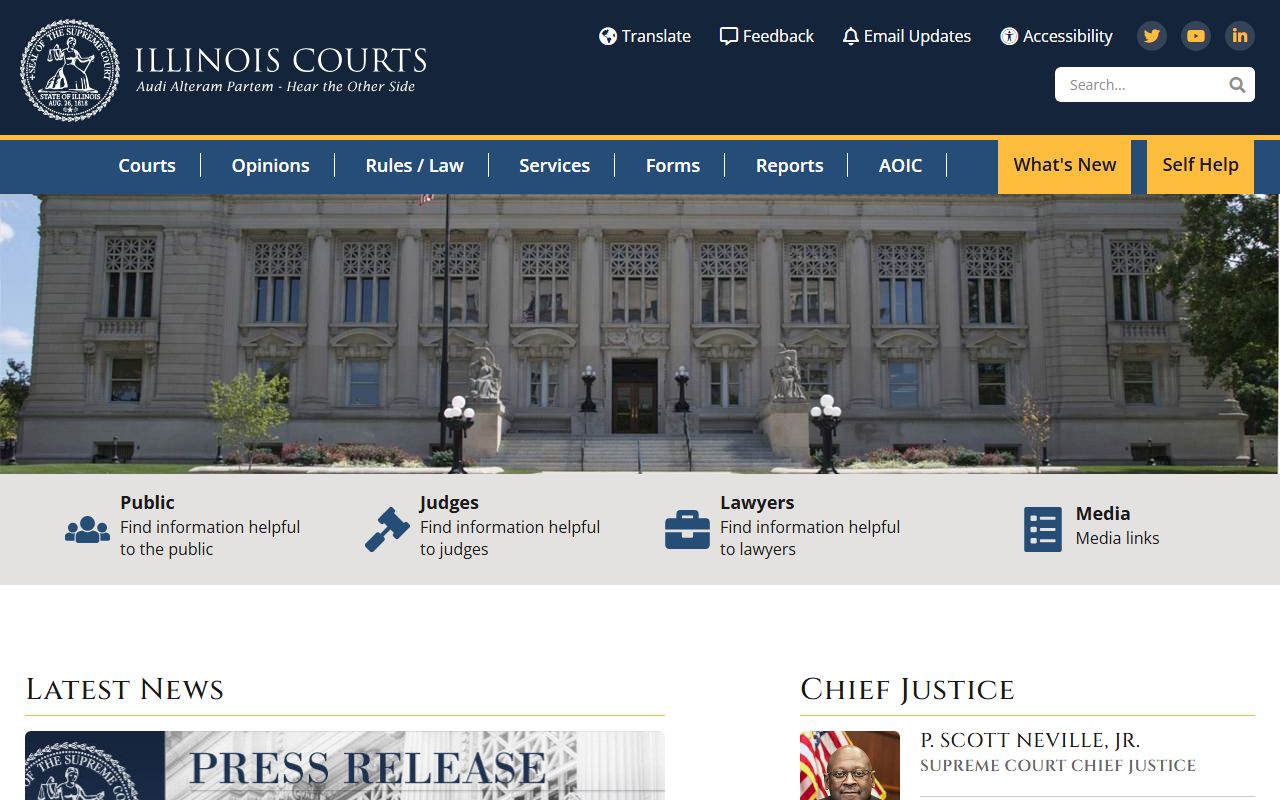
E-filing is required for civil cases in McHenry County. If you need to file a new case or respond to one, you must do it through the state electronic filing system. The Illinois Courts website has links to the e-filing portal and self-help guides for people who are filing on their own without a lawyer.
Property Records in Lake in the Hills
Property records tell you who owns a home, what they paid, and what liens or mortgages are on file. For Lake in the Hills, all property documents are filed with the McHenry County Recorder. This includes deeds, trust documents, mortgage assignments, and lien releases. The recorder office is in the McHenry County Government Center in Woodstock.
You can search property records in person at the recorder office. Public terminals are available during business hours. Staff can help if you are not sure what to look for or how to use the system. The county also offers some search access through their website. For basic lookups like checking ownership or seeing if a lien exists, the online option saves you a trip to Woodstock.
The McHenry County Assessor keeps a separate set of property data. This includes assessed values, tax amounts, and parcel maps. You can search by address or parcel identification number. This data is useful when you want to know what a Lake in the Hills property is worth or how much the owner pays in taxes each year. Between the recorder and the assessor, you can get a full picture of any property in the village.
Lake in the Hills residents can sign up for property fraud alerts through a free service offered for McHenry County properties. You get a notification any time someone files a document against your property. This is a good way to watch for unexpected deeds or lien filings. It does not block fraud, but it lets you know fast so you can take action.
Vital Records for Lake in the Hills
Vital records for Lake in the Hills residents go through the McHenry County Clerk. This office issues certified copies of birth certificates, death certificates, and marriage licenses. The office is at the county government center in Woodstock. Bring a valid photo ID when you visit.
Only certain people can get certified copies of vital records in Illinois. Under the Vital Records Act (410 ILCS 535), you must be the person named, a parent, a legal guardian, or someone with a court order. Other people can request non-certified informational copies. These work fine for most directory searches where you just need to confirm basic details like a name or date.
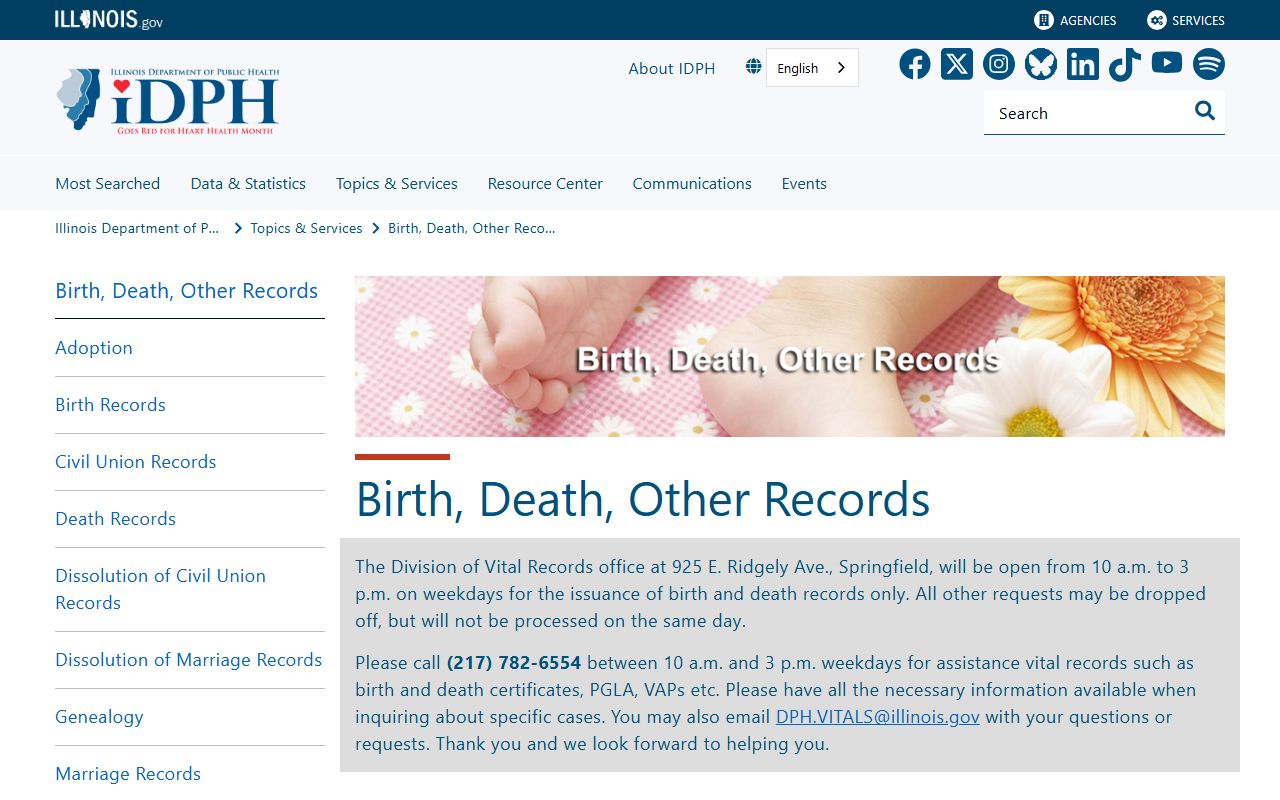
The Illinois Department of Public Health is another option for vital records. They process requests by mail and through their website. The state office has records from all counties, so it is useful when the county office does not have what you need. Processing takes longer through the state, usually a few weeks. But it is a backup option for Lake in the Hills residents who cannot get to Woodstock easily.
Public Records Requests Through FOIA
The Illinois Freedom of Information Act (5 ILCS 140) gives you the right to request records from the Village of Lake in the Hills. This covers police reports, building permits, code enforcement files, meeting minutes, and other village documents. The village clerk coordinates FOIA responses.
You submit a FOIA request in writing. Include your name, contact info, and a clear description of what records you want. The village has five business days to respond. They can grant the request, deny it, or ask for extra time. If they deny it, they must tell you which part of the law allows the denial. You can appeal to the Illinois Attorney General if you think the denial is wrong.
Copy fees follow state rules. The first 50 pages of black and white copies are free. After that, the village can charge up to 15 cents per page. Electronic copies are usually free. The village cannot charge you for the time staff spends searching for records. FOIA is one of the best tools for the Lake in the Hills residents directory because it opens up records that may not be posted online anywhere.
Statewide Records Resources
Beyond the county offices, several state agencies hold records that tie into the Lake in the Hills residents directory. These cover all of Illinois and can fill gaps that local sources do not cover.
The Illinois State Police background check costs $16 and searches criminal records across all 102 counties. This is broader than a single county court search. Results usually come back within a few business days. The sex offender registry from the state police is free to search online and covers the whole state.
The IDFPR license lookup lets you check professional licenses for Lake in the Hills residents. Doctors, nurses, real estate agents, accountants, and many other professionals need a state license. The search is free and shows the license status plus any disciplinary actions. This is helpful when you need to confirm someone is properly licensed in their field.
How to Search Lake in the Hills Records
Here is a quick guide to the main sources for the Lake in the Hills residents directory:
- McHenry County Circuit Clerk for court case records
- McHenry County Recorder for deeds and property documents
- McHenry County Assessor for property values and tax data
- McHenry County Clerk for vital records
- Village of Lake in the Hills for FOIA requests
- Illinois State Police for statewide background checks
Start with the free online tools. The circuit clerk website and the county recorder site cover the two biggest areas. If you need something specific that is not online, call the office. Give them a name, date, or case number and they can usually help. For older records that have not been digitized, plan a trip to the Woodstock offices. Bring an ID and allow some time for the staff to pull paper files.
McHenry County Residents Directory
Lake in the Hills is fully within McHenry County. All county-level records for village residents are held at the Woodstock offices. For more details on McHenry County search tools, office locations, hours, and fees, visit the county page.
Nearby Cities
Lake in the Hills sits near several other McHenry County communities. These pages cover how to access public records in each area.